Reading the Fridge on Thursday
By midweek, the fridge tells you what needs eating first. A short habit for turning odds and ends into a meal instead of compost.
A midweek fridge check
By Thursday, the fridge tells a story. The groceries from the weekend are half gone, a few containers have shifted to the back, and something in the crisper has started to look tired. This is the best moment to take stock, before the weekend's plans and the next shopping trip.
Take five minutes. Open the fridge, pull out anything that has drifted to the back, and set it on the counter. Check the door shelves, where sauces, half-used jars and open cartons tend to hide. Then look at the freezer and the pantry shelf where you keep onions, potatoes and bread.
You're not cleaning, just looking. Seeing everything at once is what keeps good food from going to waste.
Sorting by "eat first" and "still fine"
Once everything is out, make two loose piles. You don't need labels or a system, just a quick decision about what needs attention now and what can wait.
Eat first:
- Cooked leftovers, especially anything with rice, meat, fish or dairy
- Cut fruit and vegetables, opened packages of deli meat, and anything already opened
- Tender greens and fresh herbs, which wilt quickly
- Ripe produce that's soft but not spoiled, like bananas, tomatoes or berries
Still fine for now:
- Whole firm vegetables such as carrots, cabbage and beets
- Hard cheeses, eggs and condiments
- Anything sealed and well within its date
- Items you've already frozen
Move the "eat first" pile to the front of the fridge at eye level. A visible container gets eaten, and a hidden one gets forgotten. If you know you won't get to something in the next day or so, freeze it now while it's still in good shape, and label it with what it is and the date.
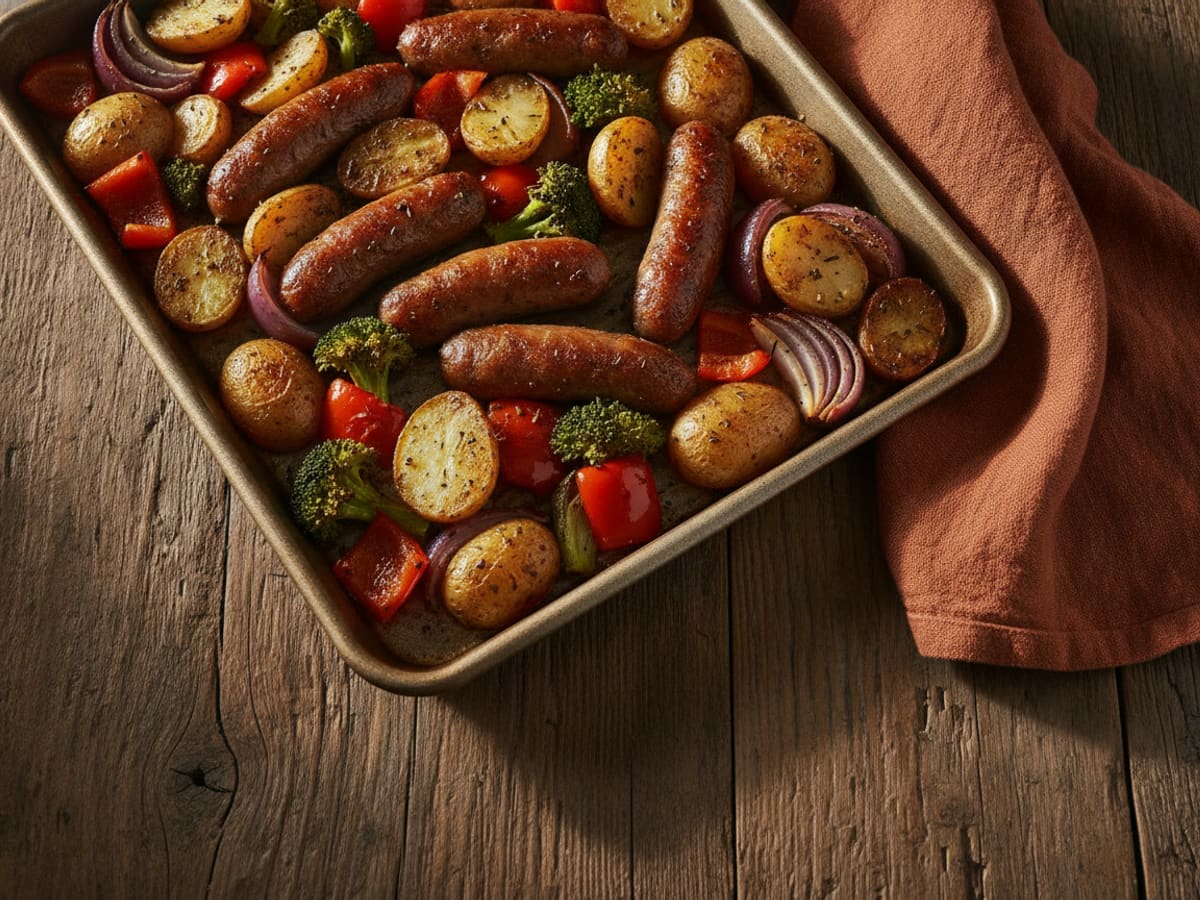
Turning scraps into soup, fried rice or frittata
The best leftover meals are loose formulas rather than strict recipes. Three of them cover almost everything.
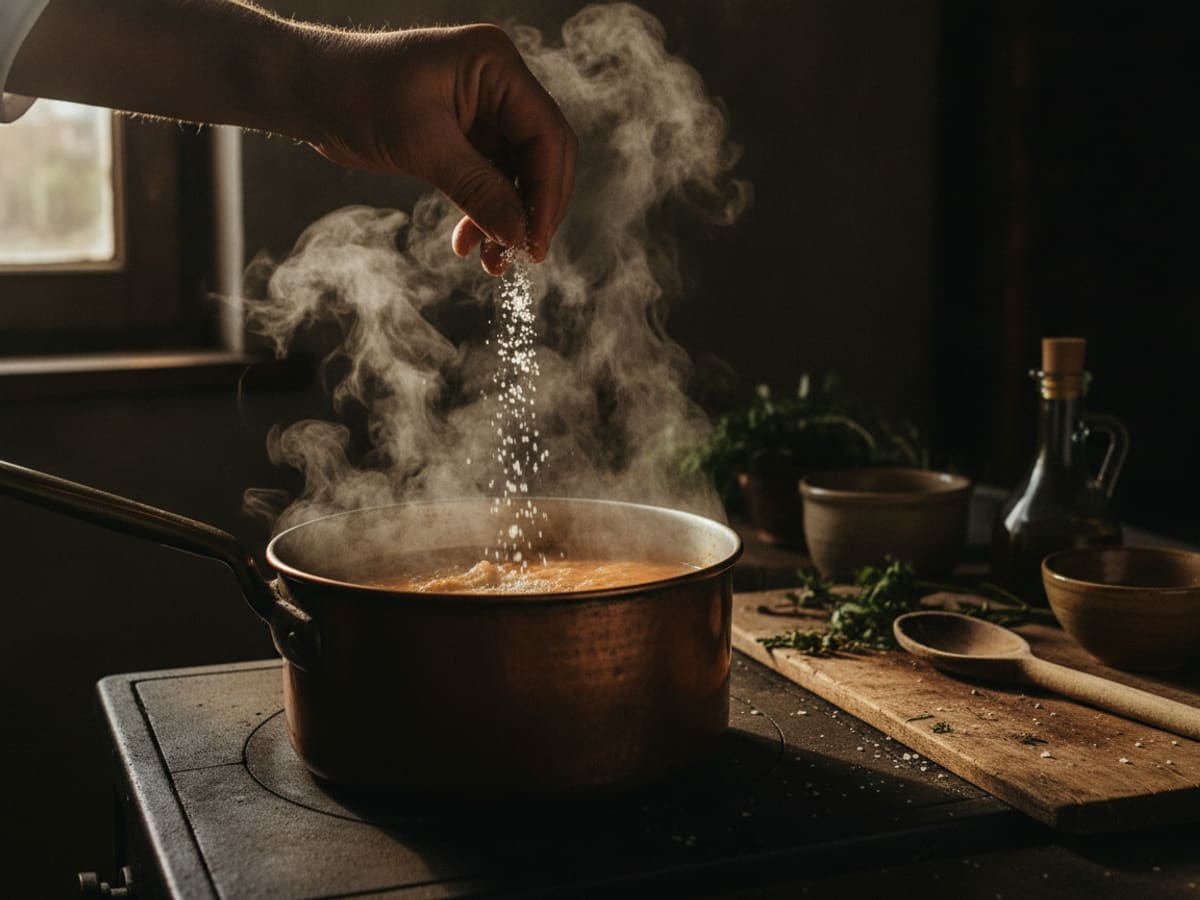
Soup takes limp vegetables, the last of a roast chicken, cooked beans or the heel of a bunch of celery. Soften chopped onion in a little oil, add whatever vegetables you have, cover with broth or water, and simmer until tender. Add cooked rice, pasta or beans near the end. Season at the end, because flavors concentrate as it cooks.
Fried rice is built for day-old rice, which is drier and fries better than fresh. Cook it in a hot pan with a little oil, then add chopped vegetables, scraps of cooked meat and a beaten egg. Finish with soy sauce or whatever seasoning you like. Cooked rice should go into the fridge soon after the meal, so only use rice that was stored properly.
A frittata is the most forgiving of all. Here's how it goes:
- Heat a little oil in an oven-safe pan and cook any raw vegetables until soft.
- Add cooked vegetables, meat or cheese and stir just to warm them.
- Pour in beaten eggs, about as many as will cover everything, seasoned with salt and pepper.
- Cook gently on the stove until the edges set, then finish in the oven until the center is firm.
Serve it warm or at room temperature, with a salad or toast.
Trusting your senses and following official guidance
Your eyes and nose are useful tools. Mold, slimy textures, a sour smell or a swollen package are all good reasons to throw something out. A wilted carrot or a bruised apple, though, is usually just past its prime.
Your senses have limits, though. Some bacteria that cause foodborne illness don't change how food looks, smells or tastes. So a clean smell doesn't prove a container of old leftovers is safe.
For that reason, lean on official food safety guidance as well. Government food safety agencies publish storage times for cooked leftovers, raw meat, deli items and more, and they explain how to cool, store and reheat food properly. A good habit is to reheat leftovers until steaming hot all the way through, and to use a food thermometer if you have one. When you can't remember how long something has been in there, the safe call is to let it go.
Planning next week's shopping around what's left
Before you leave the kitchen, jot down what survived the check. That short list becomes the starting point for your shopping list, instead of a blank page.
Ask a few questions. What do I already have that could be the base of two dinners? What's missing that would turn a pile of odds and ends into a real meal, such as eggs, a grain or a fresh vegetable? What did I buy last week and never touch? If a food went unused, buy less of it, or buy it in a form that keeps longer.
Then plan the first meal or two of the week around the things that will spoil fastest, and leave the sturdy items for later. A little structure goes a long way toward fewer wasted groceries and fewer extra trips to the store.