Shop Your Own Kitchen Before the Store
A five-minute inventory can change what you buy and what you throw away. Here's how to take stock without turning it into a project.
Most of us don't buy duplicates because we're careless. We buy them because the store is the only place we think about food, and the kitchen is where we forget what we have. A few minutes of looking at home before you leave can change what ends up in your cart.
The quick fridge, freezer and pantry scan
You don't need to take inventory of every shelf. You just need a fast look at what's there, ideally right before you write your list.
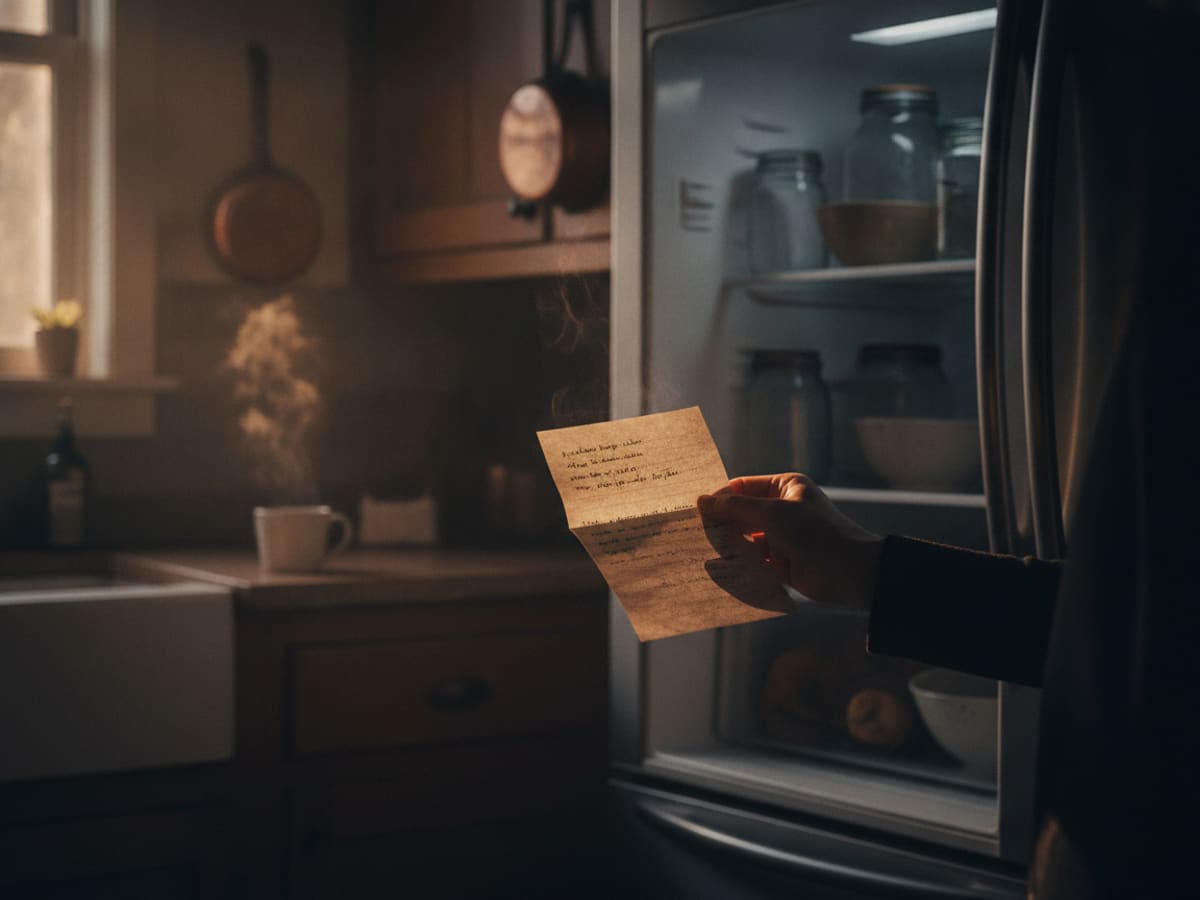
- Open the fridge and check the door, the back of the shelves and the crisper. Note anything that needs to be used soon.
- Look in the freezer for protein, bread, leftovers and that half bag of vegetables you forgot about.
- Scan the pantry for grains, canned goods, pasta, baking supplies and open packages.
- Glance at the spice rack and the oils and vinegars, which are the things people most often rebuy.
- Jot down what you found, or snap a photo on your phone to carry with you.
The photo is the part that pays off in the store. When you're standing in an aisle wondering whether you have enough rice, you can look instead of guess.
Writing a list in meals, not items
A list that says "chicken, broccoli, tortillas, cheese" is really a list of ingredients with no plan. It's easy to buy all four and still not know what's for dinner.
Try starting with meals instead. Pick a few dinners for the week, then look at what you already have that could go into each one. Only the gaps go on your list.
For example, if you plan a pot of soup and you already have onions, broth and a bag of beans, the list might only need a leafy green. If you plan tacos and already have tortillas and spices, you may just need fresh toppings.
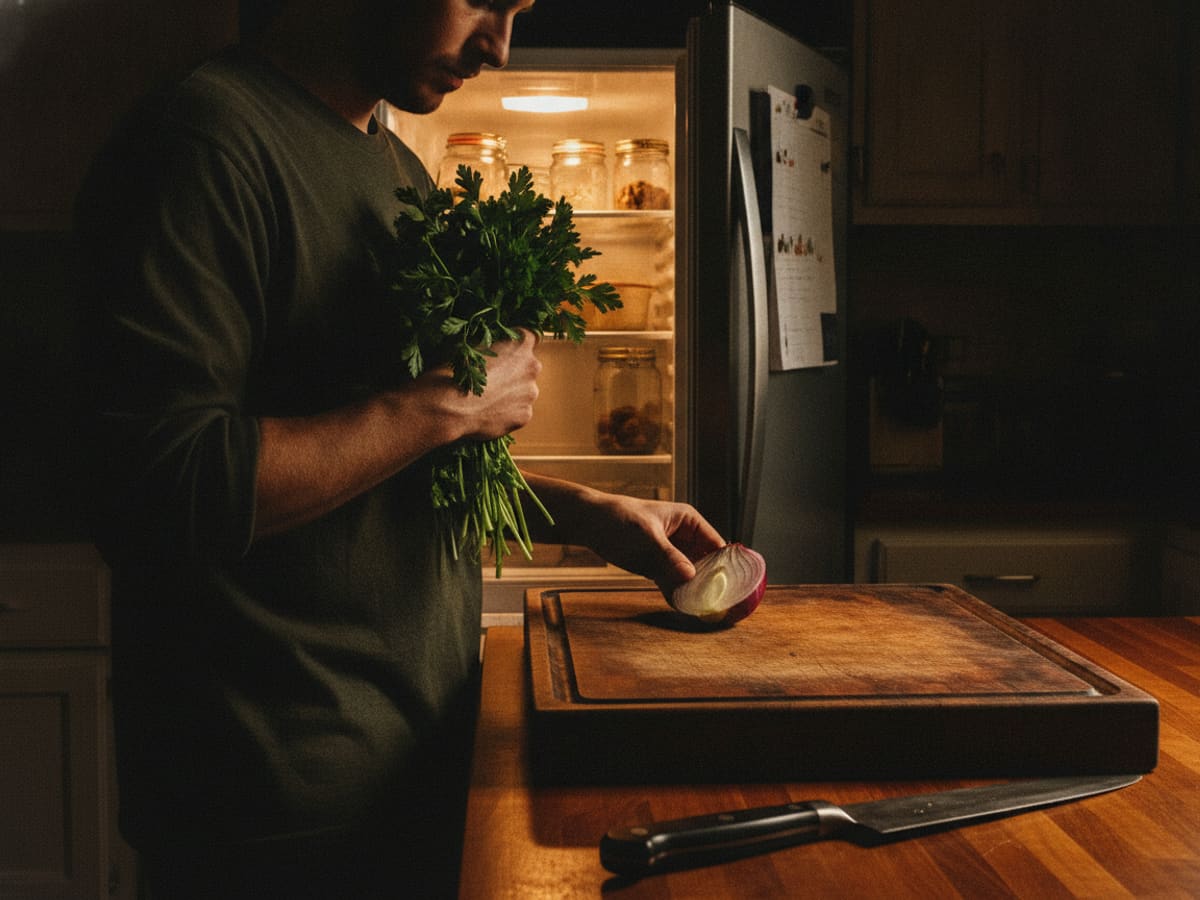
It also helps to plan one meal around the thing most likely to spoil. If there's a bunch of herbs or a bag of greens that's getting tired, build a dinner around it first.
Leave a little room, too. One or two nights can stay loose, such as "something with eggs and whatever vegetables are left." That gives you a landing place for odds and ends before they go bad.
Spotting your usual duplicates
Most households have a few items they rebuy again and again. You probably know yours, even if you've never said them out loud. Common culprits include:
- Pasta shapes, rice and other dry staples
- Canned tomatoes, beans and broth
- Spices, especially the ones you only use now and then
- Condiments, such as mustard, hot sauce and mayonnaise
- Cooking oil, flour and sugar
- Snack foods that were bought "just in case"
Notice which of these you tend to double up on, and why. Sometimes it's because the back of the pantry is deep and things disappear. Sometimes it's because you bought something last week when you were hungry and a little rushed.
A simple fix is to keep a small "buy only when empty" list on your phone or fridge. Put your repeat offenders on it. Before you buy any of them, check that the current one is truly almost gone.
Storage matters too. If you can see everything at a glance, you'll duplicate less. Shallow shelves, clear containers and a "front row" for older items all help.
Buying for flexibility
When you do need to buy something, choose items that can work in more than one meal. That cuts down on the odd single-use ingredient that sits in the cupboard.
Flexible buys tend to look like this:
- Vegetables that cook well several ways, such as carrots, onions, cabbage or sweet potatoes
- Grains and beans that work as a side, a base or a soup addition
- Fresh herbs you can use in more than one cuisine
- A protein you can cook plain and then repurpose later in the week
- Frozen vegetables and fruit, which keep until you need them
If a recipe calls for a specialty ingredient, ask yourself whether you'd use it again. If not, see if a substitute from your pantry will do the job. A splash of a vinegar you already own can often stand in for something you'd otherwise buy a whole bottle of.
What to do when the list and the sale shelf disagree
You get to the store with a good plan, and then you see something marked down that isn't on the list. This happens to everyone.
Before it goes in the cart, ask three quick questions:
- Do I already have something like this at home?
- Do I have a specific meal for it this week?
- Can I freeze it, or will it keep, if I don't get to it right away?
If you can answer yes to the second or third, it may be a good addition. If you can't, it's probably a bargain only in theory. A deal on something you won't use isn't really a saving.
If you find yourself tempted often, give yourself one flexible slot. Allow one or two unplanned items per trip, as long as you can name what you'll do with them. That keeps shopping enjoyable without turning your list into a suggestion.
The goal isn't a perfectly tracked kitchen. It's a habit of looking first, so what you buy is what you'll actually cook.